Wondering what your South Fulton home is really worth in today’s market? You are not alone. Pricing a home can feel stressful when headline numbers seem to point in different directions, but the good news is that confidence comes from looking at the right local details in the right order. In this guide, you will learn how to think about pricing through the lens of South Fulton’s micro-markets, buyer expectations, and current competition. Let’s dive in.
Why South Fulton Pricing Takes Nuance
South Fulton is a large city, and that matters when you are setting a list price. The U.S. Census Bureau estimates 112,820 residents and 40,323 households across 85.22 square miles as of July 1, 2025. In a city this size, one citywide number can only tell part of the story.
That is especially true because price points vary widely by area. Realtor.com snapshots show neighborhood median listing prices ranging from about $230,000 in Arlington Estates to $515,000 in Sandtown, with other areas like Ben Hill and Lakeside Preserves landing in between. That spread is a strong sign that your pricing strategy should be built around your immediate market, not just a citywide average.
What the Current Market Suggests
South Fulton is active, but it is also price-sensitive. Redfin’s March 2026 sold-data snapshot reported a median sale price of $345,000, up 11.3% year over year, with 161 homes sold and a median of 71 days on market. Realtor.com’s May 2026 snapshot reported a median listing price of $320,000, a median sold price of $315,000, 1,024 active listings, and a median of 55 days on market.
Those numbers do not have to be read as a contradiction. They are based on different methodologies, so the smarter takeaway is the big-picture trend: South Fulton has movement, but buyers are paying attention to value. A well-positioned home can still attract strong interest, while an overpriced home may sit longer than you want.
Redfin also reports that the average South Fulton home sells about 2% below list price and goes pending in around 71 days. Hot homes can go pending in about 32 days and may sell around list price. That tells you something important: pricing accuracy still matters a lot, even when demand is present.
Start With Comparable Sales
The foundation of a confident list price is recent comparable sales. In simple terms, comps are homes that have sold nearby and are similar to yours in size, age, condition, layout, and upgrades. The closer the match, the more useful the comp.
In South Fulton, this step matters even more because one neighborhood can perform very differently from another. If your home is in a section where buyers are moving faster or paying more for updated finishes, your comps should reflect that. If nearby homes are taking longer to sell, that should shape your expectations too.
A citywide median is a benchmark, not a pricing plan. Your home should be measured against the most relevant recent solds in your area, not against a broad average that may include very different housing types and price bands.
Look at Active Competition Too
Many sellers focus only on closed sales, but buyers do not shop that way. They compare your home to what is available right now. That is why current competition matters just as much as sold data.
Realtor.com reported about 1,024 active listings in South Fulton in May 2026. That means buyers have options. If your home is priced above similar active listings without a clear reason, buyers may skip it and move on to the next one.
This is where strategy becomes practical. You are not pricing your home in a vacuum. You are positioning it against everything else a buyer can tour, compare, and calculate into a monthly payment.
Condition Shapes Buyer Response
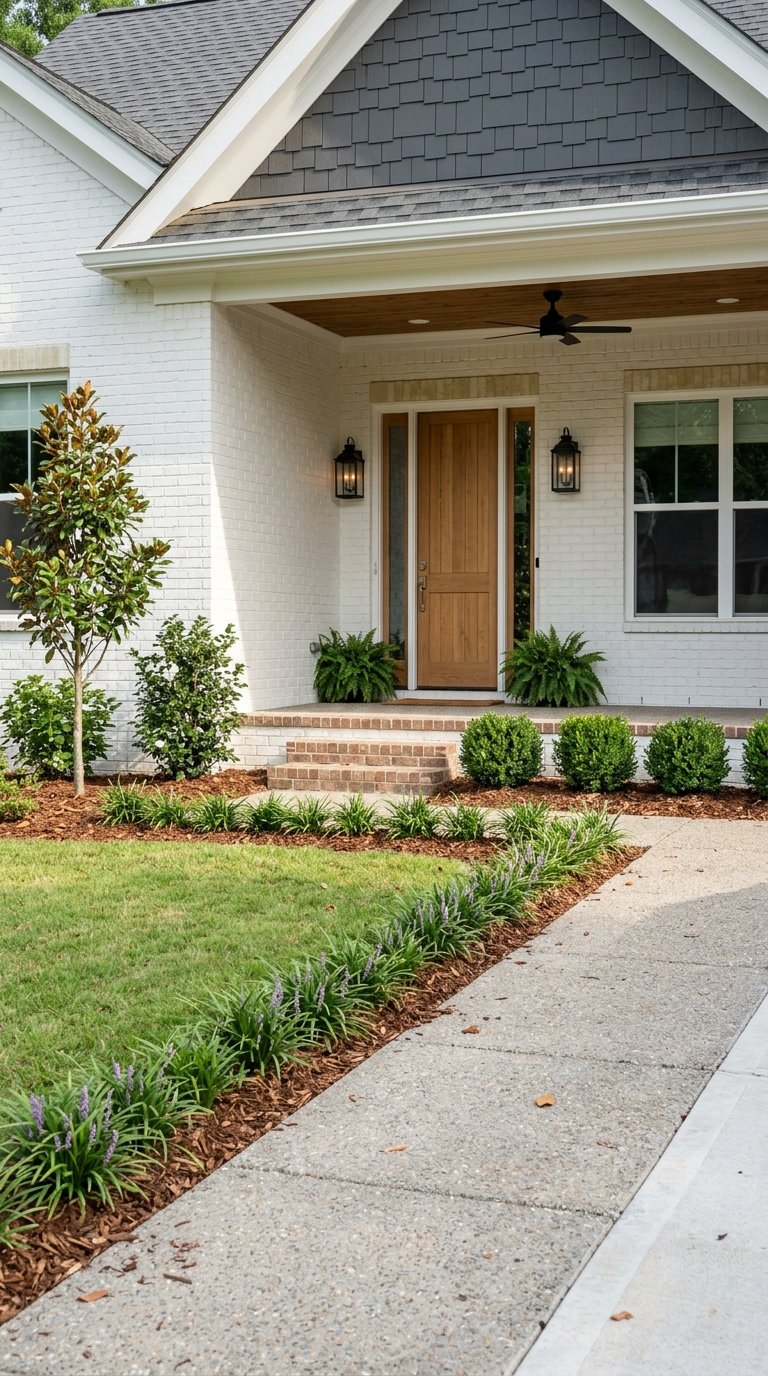
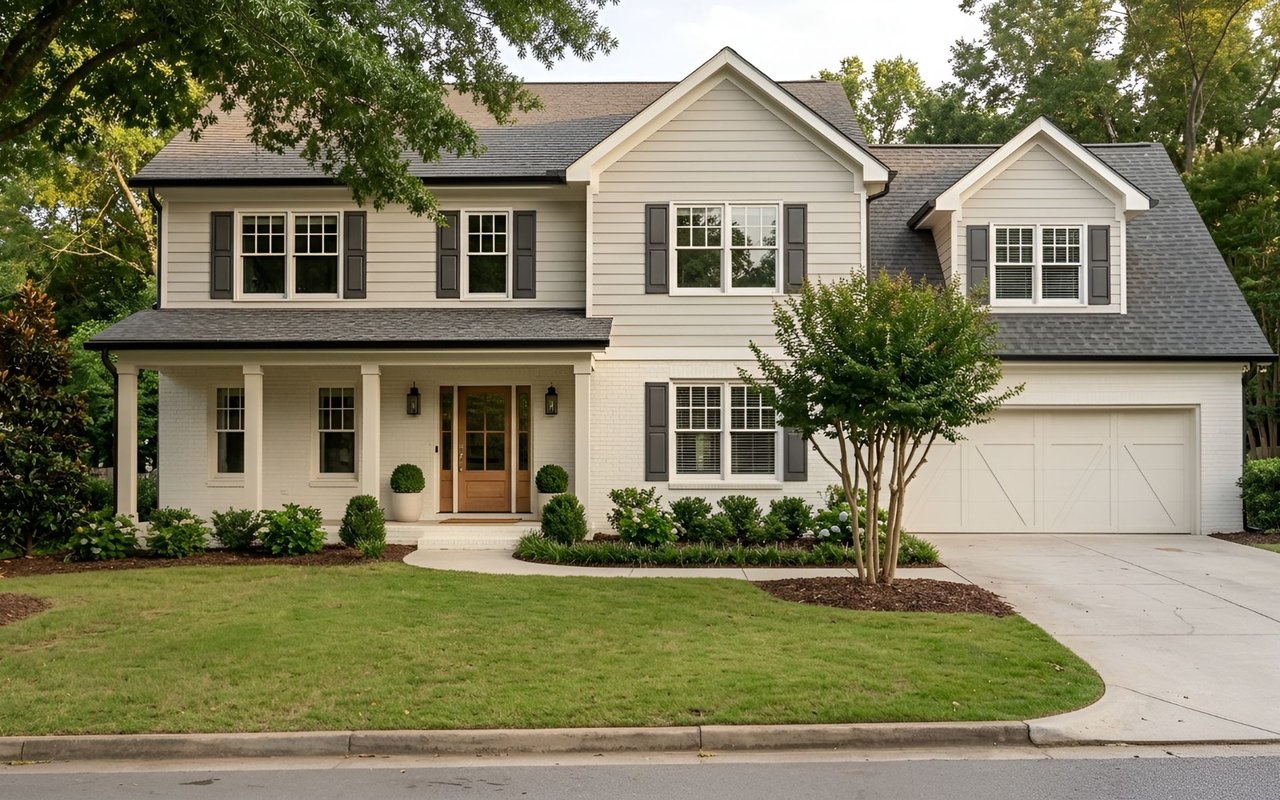
Condition plays a major role in how confidently you can price. Fulton County market guidance notes that cosmetic updates like fresh paint, updated fixtures, and improved landscaping typically pay off. These details can help your home compete more effectively and support a stronger asking price.
On the other hand, selling as-is often attracts investors or buyers looking for a discount. Local guidance suggests as-is homes may trade roughly 10% to 20% below market value. That does not mean every home needs a full renovation, but it does mean presentation affects pricing power.
If you want to push toward the stronger end of your pricing range, the home usually needs to show well against nearby alternatives. Buyers notice condition quickly, and they often build repair or update costs into what they are willing to pay.
Days on Market Tell a Story
Days on market can help you gauge whether a price feels realistic to buyers. In South Fulton, Realtor.com’s median of 55 days and Redfin’s median of 71 days both suggest that homes can take time to sell if pricing misses the mark. The market is moving, but not every listing gets immediate traction.
Neighborhood-level timing also varies. Realtor.com snapshots show Sandtown at 47 days on market and Ben Hill at 77 days. That kind of spread reinforces the idea that pricing should be neighborhood-aware and grounded in local patterns.
If similar homes nearby are sitting, that is a signal to look carefully at price, condition, and competition. If well-prepared homes are moving faster, that can support a more confident strategy, but only if your home is truly aligned with what buyers are responding to.
Why Tax Assessments Are Not a List Price
It is common for homeowners to look at their property tax assessment and assume it reflects a market-ready list price. In Georgia, that can be misleading. Fulton County states that property is assessed annually at fair market value, and the Georgia Department of Revenue says assessed value is 40% of fair market value unless a special rule applies.
That makes the assessment useful as background context, but not as a pricing formula. Tax assessments are part of a tax system. They are not a substitute for recent sold comps, current inventory, and real-time buyer behavior.
If you anchor too heavily to an assessment, you may end up either overpricing or underpricing your home. A confident list price should be based on how similar homes are actually performing in the current market.
A Simple Pricing Framework for Sellers
If you want a clear way to think through your price, focus on these four factors:
- Recent sold homes: What have similar homes in your area actually sold for?
- Active listings: What are buyers comparing your home against today?
- Condition: Does your home feel move-in ready, lightly dated, or more likely to attract as-is buyers?
- Days on market: Are similar homes moving quickly or sitting?
When those four pieces line up, pricing gets much clearer. You are no longer guessing based on a headline or an online estimate. You are making a decision based on how your home fits into the market buyers are seeing right now.
Common Pricing Mistakes to Avoid
One of the biggest mistakes is pricing based on what you hope to get instead of what the market is supporting. Buyers in South Fulton appear to be value-conscious, and average sale-to-list trends suggest many homes still need to meet the market rather than lead it.
Another mistake is relying too much on broad city or county averages. South Fulton’s neighborhood price spread shows why that approach can create problems. The right price for one area may be completely off in another.
A third mistake is ignoring preparation. If nearby homes with better presentation are listed at similar prices, buyers may see your home as the weaker option. Even small updates can influence how buyers judge value.
How to Price With Confidence
Confidence does not come from picking the highest number you can justify. It comes from understanding where your home fits in South Fulton’s current market and choosing a price that gives you a real chance to attract serious buyers. In a market that is active but selective, that balance matters.
For many sellers, the goal is not just to list. It is to list with a strategy that supports strong interest, protects your time, and helps you move forward with less stress. That is where thoughtful, local guidance can make all the difference.
If you are thinking about selling in South Fulton and want a pricing strategy grounded in local comps, competition, and your home’s condition, C Garrett Group, LLC is here to help you move forward with clarity and confidence.
FAQs
How should I price my home in South Fulton?
- Start with recent comparable sales, then compare your home to active listings, evaluate its condition, and review local days on market before settling on a list price.
Is South Fulton a seller’s market or buyer’s market?
- Current data suggests South Fulton is best described as price-sensitive and segment-dependent, with Realtor.com calling it a buyer’s market and Redfin describing it as somewhat competitive.
Do South Fulton neighborhood prices vary a lot?
- Yes. Realtor.com neighborhood snapshots show a wide spread in median listing prices, which is why citywide averages should be treated as a starting point rather than a final pricing tool.
Does home condition affect South Fulton pricing?
- Yes. Local market guidance shows that cosmetic improvements can help support value, while as-is homes often need a discount to attract the right buyers.
Should I use my Fulton County tax assessment to set my list price?
- No. Your tax assessment can provide context, but it is not a substitute for current sold comps, active competition, and buyer demand in your area.