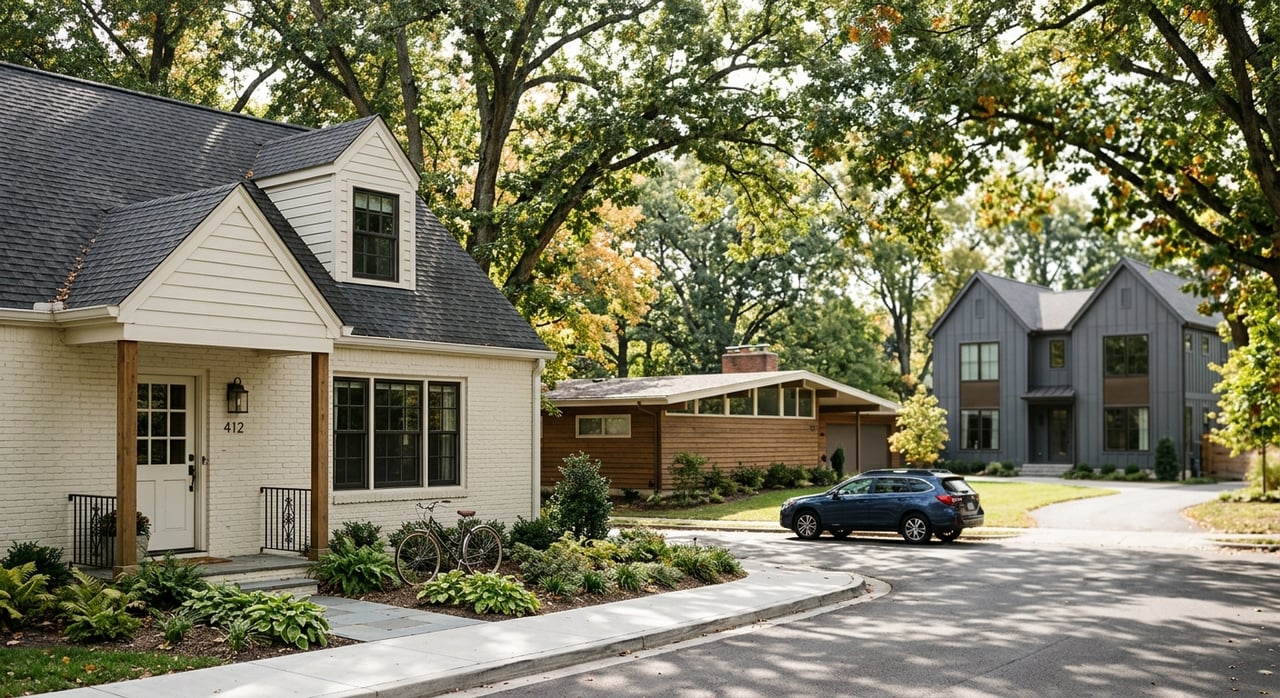
If you have ever looked at two Marietta listings with similar square footage and wondered why they feel completely different, you are not imagining it. In Marietta, home style is shaped by more than age alone, and that can affect everything from upkeep to resale appeal to renovation plans. When you understand what you are seeing, you can shop smarter and set better expectations. Let’s dive in.
Why Marietta Homes Vary So Much
Marietta has housing from the late 19th century through the early 21st century, and the city treats that variety as part of its planning and preservation work. The city also notes there is no single dominant style in Marietta, which helps explain why one street can feature very different homes side by side.
That matters when you are buying or selling. A home’s look, layout, and rules around updates may depend on when it was built, where it sits, and whether it falls within a historic district or planned development.
Form vs. Style Matters
One of the most helpful ways to read a Marietta listing is to separate form from style. The city explains that form is the home’s overall plan and massing, while style is the decorative detail layered onto it.
In simple terms, two homes can have a similar shape but feel very different because of their porch, windows, trim, roofline, or exterior details. This is especially helpful in older Marietta neighborhoods, where homes often share similar footprints but show very different design influences.
Historic Marietta Homes
What You’ll Often See
In older in-town areas, Marietta includes a mix of late-19th-century house forms, early-20th-century revival styles, and later infill. Common forms and styles mentioned by the city include shotgun houses, side-gabled cottages, gabled wing cottages, pyramid cottages, bungalows, English cottages, American small houses, Folk Victorian, Queen Anne, Colonial Revival, Neoclassical Revival, and Craftsman.
For buyers, that usually means more visual personality. These homes often stand out through porch design, roof shape, trim work, and window patterns rather than sheer size.
Bungalows and Cottages
Bungalows in Marietta are often one to one-and-a-half stories and usually feature a deep or integrated front porch under the main roofline. They tend to feel welcoming from the street and often have the kind of charm buyers notice right away in listing photos.
English cottages usually have a cross-gabled shape and a front chimney. That creates a compact, storybook look that feels distinct from the broader, more horizontal profile you see in many later homes.
Victorian and Revival-Era Details
Victorian-era and revival-era homes often show more asymmetry and decorative trim than later suburban homes. You may also notice more variation in porch design, window placement, and exterior detail.
These homes can offer strong curb appeal and character, but they also tend to reward buyers who pay close attention to condition. Details that make a home beautiful can also be the areas that require more thoughtful maintenance over time.
Historic District Rules to Know
Some Marietta properties have extra review requirements, especially in designated historic areas. The city notes, for example, that properties in the Kennesaw Avenue Historic District must obtain a Certificate of Appropriateness before certain work covered by district rules begins.
That does not mean historic ownership is a bad fit. It simply means you should understand the rules before planning exterior changes, especially if you are considering window replacement, porch changes, roofline updates, or other visible work.
Marietta’s preservation program includes multiple historic districts and landmarks, including five National Register historic districts, locally designated landmarks, locally designated residential historic districts, and the Downtown Marietta Historic District. If you are buying in one of these areas, it is smart to ask early about review requirements and what past owners have already updated.
What Older Homes May Need
The city’s restoration guidance gives a good picture of what matters most in older homes. It emphasizes repairing original doors and windows when possible, using compatible replacements only when needed, preserving porch location and roof shape, retaining dormers and eave trim, and directing water away from the foundation.
For you as a buyer, that means charm often comes with responsibility. An older Marietta home may offer architectural character that is hard to replicate, but it can also require a more hands-on approach to upkeep and renovation planning.
Mid-Century Ranches and Split-Levels
How to Spot Them
Mid-century ranch and split-level homes in Marietta grew out of early suburban planned neighborhoods. The city describes these homes as using repeated, efficient floor plans and mass-produced materials.
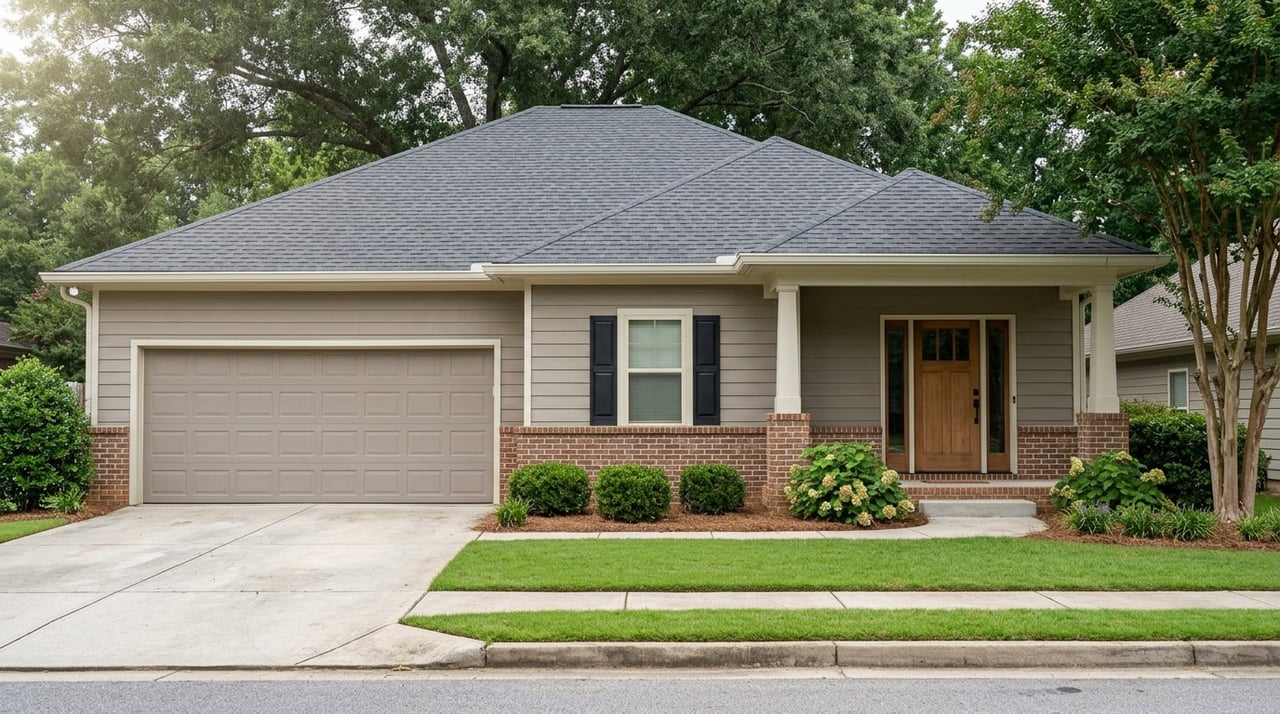
You will often see bedrooms grouped at one end of the house, low-hipped or shallow gable roofs, picture windows, built-in planters, and attached garages or carports. In listing photos, the biggest clue is usually the long, horizontal silhouette.
Why Buyers Still Like Them
These homes often appeal to buyers who want simpler layouts and a more practical feel. Compared with many pre-war homes, they usually have less ornament and a more straightforward exterior, which can make cosmetic updates feel easier to plan.
That said, simpler style does not automatically mean simpler ownership. If original systems or the building envelope still need work, a ranch or split-level can require just as much careful evaluation as an older cottage or bungalow.
American Small Houses
The post-World War II American Small House, also described in the city handbook as a Minimal Traditional type, was created in response to demand for smaller, more affordable housing in the 1930s and 1940s. In Marietta, many of these homes were built as infill in established neighborhoods.
These homes are usually compact, with efficient but smaller rooms, lower ceilings, smaller windows, and less emphasis on a front porch. They can look older from the outside while offering a simpler interior plan than some earlier historic homes.
For buyers, these homes can be a good match if you want an established location and a manageable footprint. For sellers, the key is helping buyers understand the function and efficiency of the layout, not just the square footage.
Newer Builds and Townhomes
How Planning Shapes Newer Homes
Marietta’s zoning ordinance includes attached residential districts and planned residential development districts. The city also requires detailed plans for planned developments before site improvements are approved, and plats and subdivisions go through city review.
In practical terms, many newer neighborhoods are shaped by design and planning rules before construction even begins. That can lead to a more consistent streetscape, coordinated elevations, and a more uniform neighborhood feel.
Four-Sided Architecture
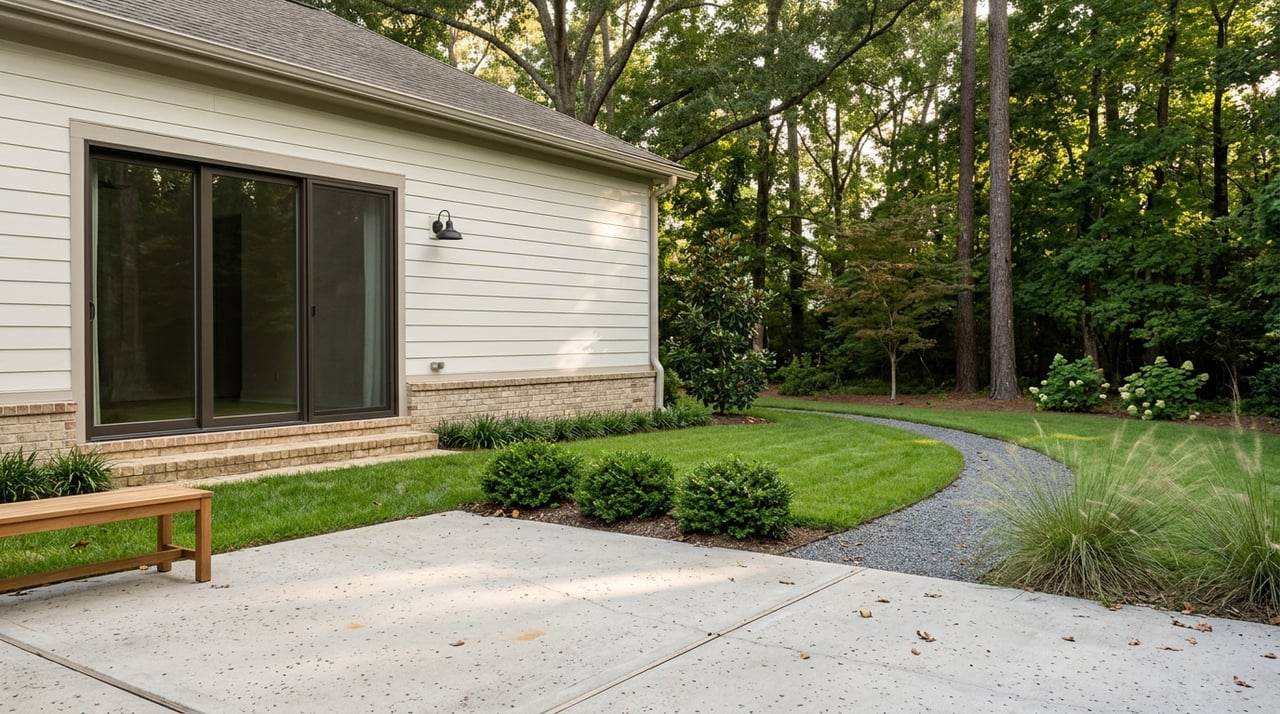
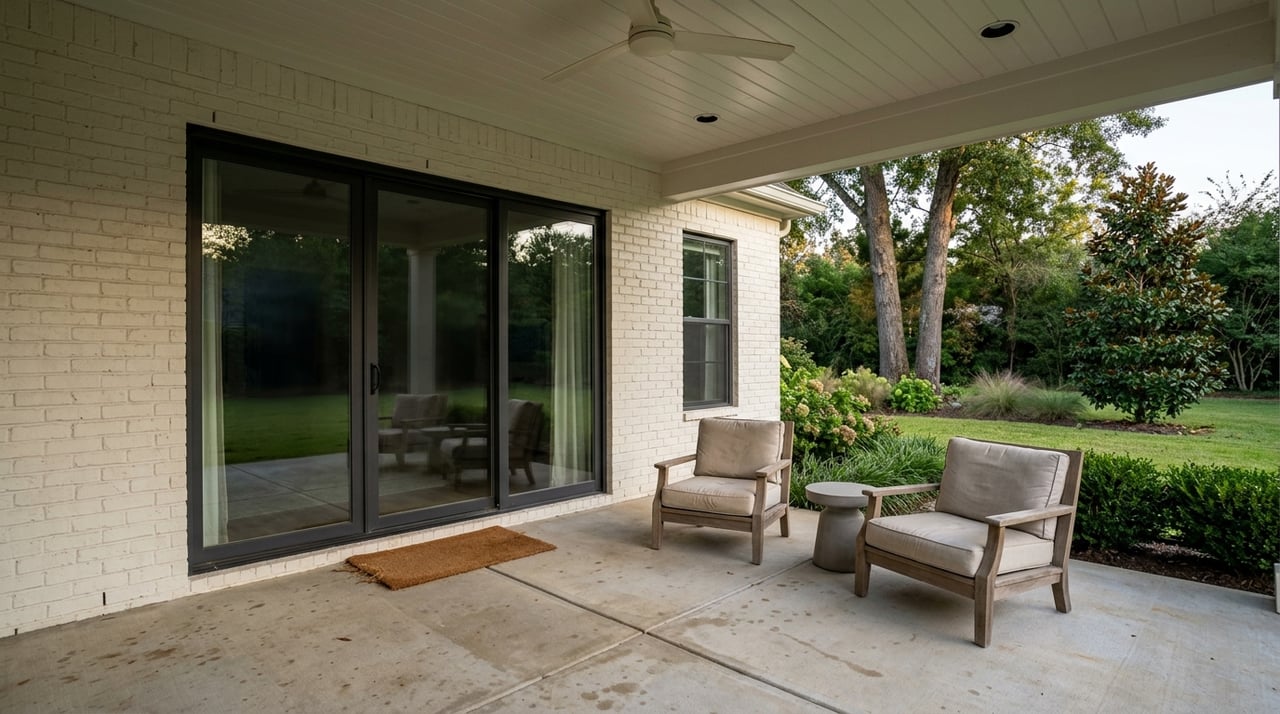
One of the city’s notable design guidelines for new construction is four-sided architecture. That means the design should carry through all sides of the home instead of focusing on a more finished front with simpler side and rear elevations.
The city’s residential design guidance also emphasizes compatible site placement, cohesive streetscapes, high-quality materials, and consistent treatment of windows, doors, roofs, and trim. For buyers, that can mean a more polished overall look across a neighborhood.
What Townhome and New Build Buyers Should Expect
A recent planning memo for Marietta Reserve shows the kind of product being approved in the area. The project included 22 townhomes and 29 detached single-family homes, with a minimum conditioned floor area of 1,800 square feet and later plans in the 2,100 to 2,300 square foot range to meet market demand.
That gives you a useful benchmark. Newer construction in Marietta may offer larger floor plans, cohesive elevations, and more intentional neighborhood design than some older housing stock, but pricing and value still depend heavily on location, finish level, lot size, and overall condition.
Price Expectations by Style
For townhomes, Redfin shows a median listing price of about $400,000 in Marietta. For the broader market, Redfin reports a median sale price around $474,716 over the three months ending May 2026, while Zillow shows an average home value of $477,858, a March 2026 median sale price of $445,083, and a median list price of $492,967.
These numbers are best used as directional benchmarks, not exact pricing rules. Different platforms use different methods and time periods, so the value of any one home still comes down to its condition, lot, updates, district considerations, and how well it compares to nearby sales.
What Style Means for Buyers and Sellers
If you are buying in Marietta, the best approach is to look beyond surface appeal. A charming bungalow, a compact cottage, a ranch, a split-level, or a newer townhome may all fit your goals, but each comes with its own tradeoffs in layout, maintenance, and update potential.
If you are selling, your home style helps shape buyer expectations before they ever step inside. The right pricing, preparation, and marketing strategy should reflect not just square footage, but also the era, visual character, planning context, and condition of the property.
Marietta is also described as a somewhat competitive market, with homes typically selling in the mid-to-high 40-day range and some receiving multiple offers. That makes it even more important to understand how your home fits the local market rather than relying on broad assumptions about “historic” or “new” alone.
Whether you are comparing older in-town charm to a more streamlined mid-century layout or weighing a townhome against a newer detached build, clarity gives you an edge. If you want thoughtful guidance as you buy, sell, or compare options in Marietta, C Garrett Group, LLC is here to help.
FAQs
What are the most common historic home styles in Marietta?
- Marietta’s older neighborhoods include forms and styles such as bungalows, English cottages, shotgun houses, side-gabled cottages, pyramid cottages, Folk Victorian, Queen Anne, Colonial Revival, Neoclassical Revival, and Craftsman homes.
What should you know before buying a historic home in Marietta?
- Some historic areas in Marietta have added review requirements for exterior work, and certain properties may need a Certificate of Appropriateness before covered changes begin.
How can you identify a mid-century ranch in Marietta listings?
- Look for a low, horizontal shape, simple roofline, picture windows, and an attached garage or carport, along with a more practical and less decorative exterior.
What is an American Small House in Marietta?
- In Marietta, an American Small House, also called a Minimal Traditional type, is usually a compact post-war home with smaller rooms, lower ceilings, smaller windows, and limited front-porch emphasis.
What does four-sided architecture mean in Marietta new construction?
- It means the home’s design and materials should carry through all elevations rather than putting most of the visual detail only on the front.
How much do townhomes cost in Marietta?
- Redfin shows a median listing price of about $400,000 for Marietta townhomes, though actual pricing varies by size, condition, location, and finish level.